Begin with the existing inspection plan
A structural survey is not simply a long walk with a camera. The stadium's age, construction, alteration history and known defects shape what needs attention. A robot route should support an inspection strategy established by competent people, with defined components, viewpoints and escalation rules. It should not replace that strategy with whatever surfaces happen to be easy for the machine to see.
Start from current drawings and asset identifiers, then confirm them on site. Expansion joints, drainage outlets, stair supports and exposed connections may deserve specific repeat photographs. Where drawings are incomplete, record uncertainty rather than inventing an asset relationship. An image attached to the wrong beam can be more misleading than an image with no label at all.
Document change without exaggerating precision
Accessible surface cracking, spalling, rust staining, coating loss and water marks can be suitable subjects for repeat imaging. The central question is often whether an observed condition has changed. Consistent distance, focal length, illumination and viewpoint make that comparison more meaningful. Keep original files and capture metadata so reviewers can distinguish a new mark from compression artefacts or a change in exposure.
Image-based measurement needs a validated method. A crack's apparent width depends on scale, focus, camera angle and resolution; a cropped photograph alone is not a calibrated measurement. Where engineers require dimensional evidence, use suitable references or an approved measurement technique. The report should state the method and its uncertainty, not offer a precise-looking number unsupported by the equipment and capture conditions.
Expect difficult visibility
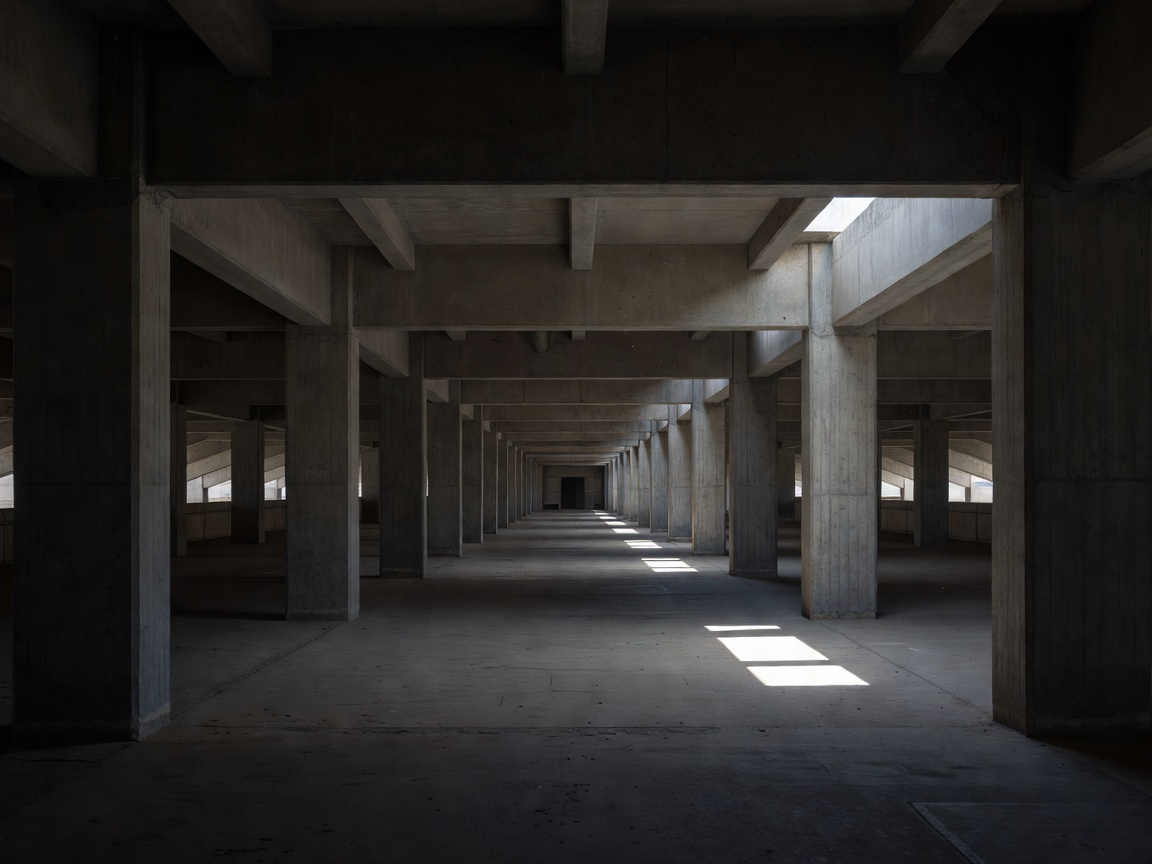
Structural areas are full of partial views. Cladding can hide steelwork; services can obscure a joint; a shallow camera angle can conceal a concrete edge. A ground robot may see the underside of a beam but miss its upper surface. Thermal imaging can reveal temperature differences in suitable conditions, but those patterns do not uniquely identify corrosion, delamination or water ingress.
Specialist non-destructive testing, access equipment or local opening-up may therefore be necessary. A robot carrying an appropriate instrument still needs a validated procedure, suitable contact or positioning and competent interpretation. The mobility platform does not make every attached sensor a reliable structural diagnostic tool. Keep inspection method, access method and engineering conclusion separate in the record.
Put engineering judgement at the handover
An observation should reach a reviewer with enough context to decide what happens next. Record the component, exact location, overall and close-up views, lighting conditions, previous comparison and any access limitation. Use language such as “newly visible surface staining” rather than “waterproofing failure” unless an investigation supports that conclusion. Similarly, a visible crack is not automatically evidence of inadequate load capacity.
A structural engineer may need to consider loading, drawings, material properties, previous movement and the relationship between several findings. The appropriate response could range from further observation to urgent access restriction. Venue procedures must identify who receives potentially serious findings and how they are escalated outside normal hours. A severe anomaly should not sit unnoticed in an automated dashboard until the next event.
Control the route beneath the venue
Service spaces can include steep ramps, unprotected edges, low beams, poor radio coverage and surfaces affected by cleaning or drainage. Establish access permission and task-specific risk controls before the robot enters. A location is not safe merely because the machine fits through its doorway. Confined spaces and other restricted areas require their own assessment; this guide is not an entry procedure.
Plan recovery before a failure occurs. Determine how a stopped platform can be retrieved without exposing staff to a greater hazard, and how doors, fire routes and maintenance access remain usable. Where an aerial platform is proposed for elevated views, review applicable aviation requirements, venue restrictions, falling-object risks and the separation of people. The choice of mobility changes the risk profile; it does not remove it.
Connect the record to recognised practice
EN 1990 addresses the basis of structural design, while EN 1991, EN 1992 and EN 1993 concern actions, concrete structures and steel structures respectively. They provide engineering context, not an automatic pass/fail algorithm for patrol photographs. ISO 19650 concerns information management using building information modelling, and ISO 55001 addresses asset management systems. A venue may use compatible identifiers and review workflows without claiming that a robot route establishes compliance with any of these standards.
The practical outcome is a traceable history: what was visible, what changed, what remained inaccessible and who reviewed it. That history can help an engineer focus a later visit. It cannot, by itself, certify the stadium's structural adequacy.